Critical Power Rentals for Business Continuity
October 25, 2026Introduction
Reliable electricity supports modern business operations, from data processing and communications to manufacturing, healthcare infrastructure, and commercial facilities. A power interruption can disrupt workflows, damage sensitive processes, and create costly downtime. Critical Power Rentals provide temporary access to equipment that helps organizations maintain or restore electrical supply during planned maintenance, emergencies, upgrades, and temporary operations.
A successful rental strategy involves more than delivering a generator or UPS. It requires assessing the load, understanding the site’s electrical infrastructure, coordinating equipment, and planning how the system will operate under different conditions.
Understanding Critical Power Requirements
Critical power refers to electrical infrastructure that supports equipment or operations where an interruption could have significant consequences. The definition varies by facility and application.
For a data center, critical loads may include servers, storage systems, network equipment, and cooling infrastructure. In a manufacturing environment, essential loads may include process controls, automation equipment, and selected production systems.
Businesses should identify which systems require continuous power, which can tolerate a brief interruption, and which can be shut down safely. This assessment helps establish the appropriate equipment capacity and backup duration.
What Critical Power Rentals Can Include
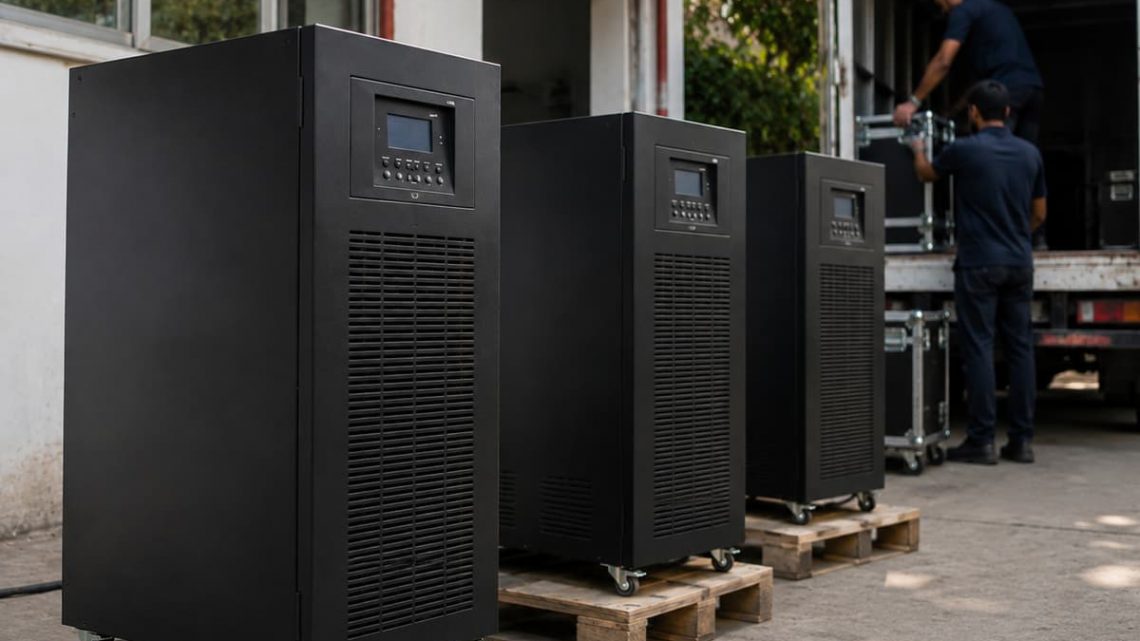
Depending on the provider and project, rental arrangements may include generators, UPS systems, automatic transfer switches, distribution equipment, cables, transformers, load banks, and monitoring solutions.
Some projects require only temporary backup equipment, while others need a coordinated package that supports an entire temporary electrical arrangement. Equipment selection depends on site conditions, electrical ratings, load characteristics, and the duration of the requirement.
Customers should confirm exactly what is included in the quotation. Transportation, installation, fuel management, commissioning, maintenance, and emergency support may be priced separately.
Planned Maintenance and Equipment Replacement
Scheduled electrical maintenance is an important reason organizations use temporary power. Facilities may need to shut down existing equipment while switchgear, generators, UPS units, or distribution systems are inspected or replaced.
A rental system can help maintain selected operations while the permanent equipment is unavailable. However, temporary power must be engineered and tested before the existing system is disconnected.
The project plan should define which loads will remain operational, when switching will occur, and what procedures will be followed if the temporary arrangement experiences a fault.
Emergency Power and Unplanned Outages
Unexpected equipment failure or utility disruption can require a rapid response. Critical Power Rentals may provide access to temporary equipment while permanent systems are repaired or replacement units are sourced.
Preparation is essential because equipment availability alone does not guarantee a safe or successful installation. Site access, connection points, electrical compatibility, fuel supply, ventilation, noise restrictions, and required approvals can all affect deployment time.
Businesses with significant power requirements can benefit from documenting emergency contacts, identifying connection locations, and maintaining current electrical drawings before an incident occurs.
Selecting the Right Equipment
Equipment selection begins with a reliable load assessment. The provider needs to understand the required voltage, phase configuration, operating current, starting demand, power factor, and load variability.
Some equipment draws substantially more power during startup than during normal operation. Other loads are sensitive to voltage fluctuations or changes in frequency. These characteristics can influence generator sizing, UPS capacity, and the selection of distribution equipment.
Runtime and redundancy requirements should also be considered. A temporary arrangement must provide adequate capacity for the intended operating conditions, including reasonable allowances for changes in demand where appropriate.
Integrating Generators, UPS Systems, and ATS Equipment
Different components serve different functions within a critical power arrangement.
A generator can provide an alternative electricity source during a utility outage. A UPS supplies short-term backup and may help maintain a stable output for connected equipment. An automatic transfer switch manages the transfer between designated sources according to its design and control settings.
When these components work together, their electrical characteristics and control sequences must be compatible. Engineers should assess generator response, transfer timing, UPS runtime, protective coordination, and the behavior of connected loads.
Commissioning and functional testing help verify that the intended sequence works as planned.
Safety, Installation, and Compliance
Temporary electrical installations must comply with applicable electrical codes, site rules, and safety requirements. Qualified professionals should assess grounding, overcurrent protection, cable capacity, environmental conditions, and safe access.
Generators may require suitable ventilation, exhaust management, fuel handling, and protection from weather or unauthorized access. Temporary cables and distribution equipment should be installed to reduce trip hazards and prevent damage.
Before operation, the system should be inspected and tested, and the responsible personnel should understand operating procedures and emergency contacts.
Managing Costs and Rental Duration
Critical power rental costs depend on equipment capacity, duration, delivery, installation complexity, fuel requirements, maintenance, and technical support.
A detailed quotation should identify the equipment and services included, payment terms, extension charges, and responsibilities for damage or misuse. Businesses should also clarify how quickly support will be available if equipment fails.
For longer projects, it may be useful to compare rental costs with the total cost of purchasing, installing, and maintaining permanent equipment.
Conclusion
Critical Power Rentals help businesses address temporary power needs during maintenance, emergencies, upgrades, and special projects. The best solution begins with a detailed assessment of critical loads, site conditions, runtime requirements, and system compatibility. Professional installation, coordinated equipment, appropriate testing, and clear support arrangements are essential for a reliable result. With careful planning, organizations can reduce disruption and maintain essential operations while permanent electrical infrastructure is unavailable.